
What to Expect During a Routine Propane Service Appointment
Routine propane appointments help homeowners maintain reliable fuel performance, improve appliance efficiency, and support safe system operation throughout the year. Whether propane powers heating equipment, cooking appliances, or outdoor systems, regular maintenance visits allow trained professionals to inspect components and address concerns before they become larger problems. Understanding what happens during a routine propane service appointment can help property owners feel more prepared and confident when scheduling service.
Preparing the Property for Inspection
Before the appointment begins, homeowners are often encouraged to make propane appliances and tank areas accessible. Clear access allows the technician to move safely around the property and inspect equipment thoroughly. A routine propane service visit may involve checking indoor appliances, outdoor storage tanks, regulators, and visible fuel lines.
The technician may begin by asking questions about recent appliance performance, unusual odors, fluctuating heating levels, or concerns about propane usage. These conversations help identify areas that may require closer attention during the inspection process. Homeowners who mention changes in fuel efficiency or appliance behavior can help technicians pinpoint potential issues more quickly.
Routine appointments are designed to be preventive rather than reactive. By preparing the property in advance, homeowners can help ensure the propane service visit moves efficiently and allows enough time for a detailed system evaluation.
Inspecting the Propane Tank and Connections
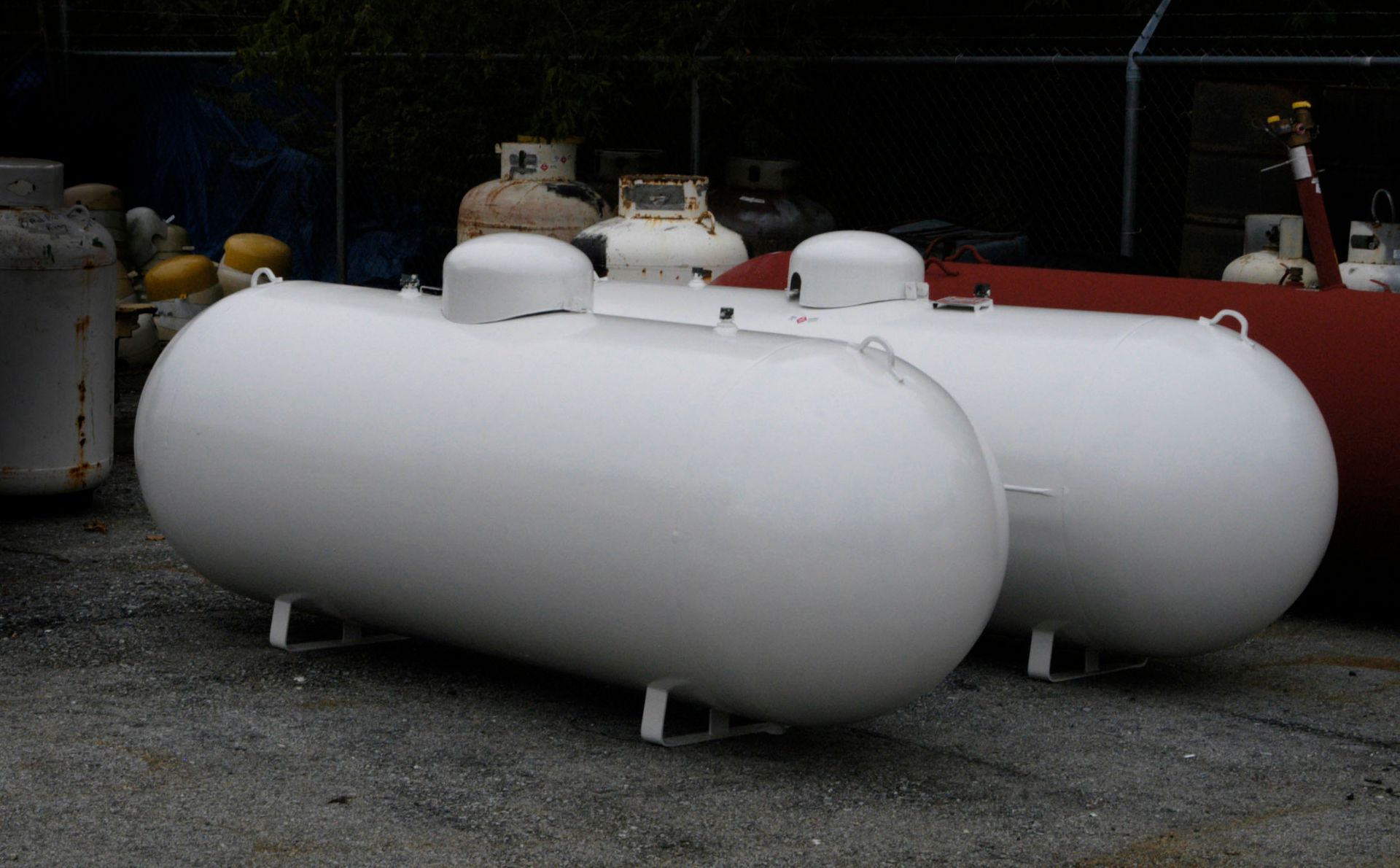
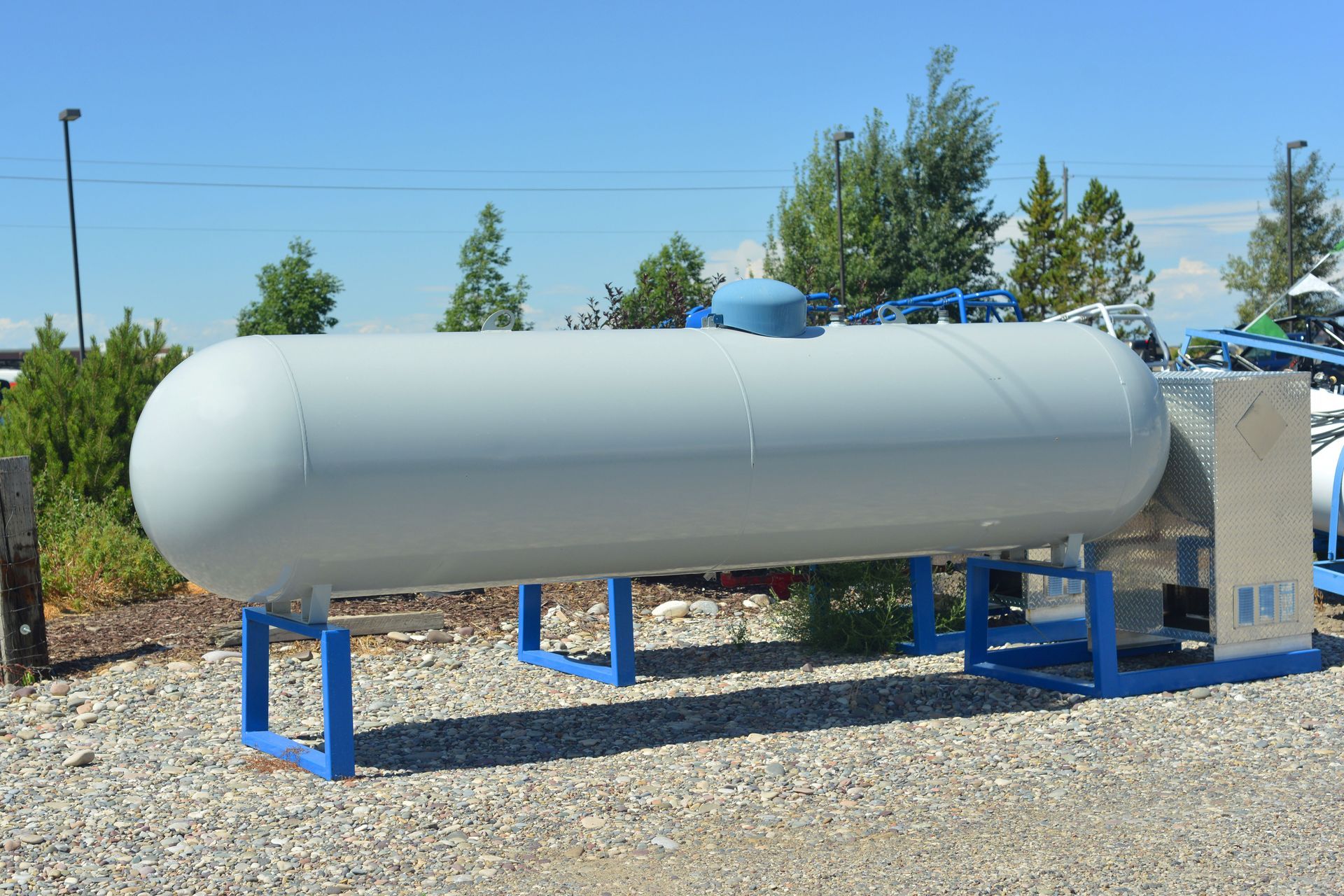
A major portion of a propane service appointment focuses on the propane tank itself. The technician carefully examines the exterior condition of the tank, looking for signs of corrosion, wear, dents, or environmental damage that may affect long-term performance.
Tank valves, gauges, and visible connections are also inspected to ensure they remain in proper working condition. Technicians verify that fittings are secure and that safety mechanisms continue functioning correctly. If the tank is installed above ground, the surrounding area may also be evaluated to confirm proper clearance from debris, vegetation, or other obstacles.
During this part of the visit, the technician may check fuel levels and discuss estimated usage patterns with the homeowner. According to the U.S. Energy Information Administration, roughly 5% of homes across the United States rely on propane for everyday energy needs. Because propane supports heating, cooking, and other essential household systems, regular inspections help reduce the risk of unexpected service interruptions.
A thorough propane service inspection allows technicians to identify small issues before they become expensive repairs or safety concerns.
Evaluating Propane Appliances and Equipment
After inspecting the storage system, the technician typically evaluates the appliances connected to the propane supply. This may include furnaces, water heaters, fireplaces, cooking ranges, generators, or outdoor heating equipment, depending on the property setup.
The technician observes how appliances ignite, operate, and shut down during normal use. Irregular burner flames, delayed ignition, or unusual sounds can indicate airflow problems, fuel delivery concerns, or maintenance needs. By assessing overall appliance performance, propane service professionals can help improve efficiency and reliability.
Ventilation systems may also be reviewed to ensure proper airflow and exhaust operation. Proper ventilation is essential for maintaining indoor comfort and supporting safe appliance performance. If filters, burners, or other components require cleaning or adjustment, the technician may perform maintenance during the visit.
Routine propane service appointments are especially valuable before seasonal weather changes. Systems that remain unused for long periods may benefit from inspection before returning to regular operation. Preventive maintenance helps homeowners avoid sudden problems during periods of heavy propane demand.
Testing for Leaks and System Safety
Safety testing is one of the most important aspects of any propane service appointment. Technicians use specialized tools and inspection methods to identify potential leaks within the propane system. These tests help ensure propane flows safely from the storage tank to connected appliances.
During leak testing, the technician may inspect exposed fuel lines, regulators, fittings, and appliance connections. They may also evaluate pressure levels within the system to confirm everything operates within recommended standards. Even small leaks can impact appliance efficiency and system performance, making routine testing an essential part of preventive maintenance.
Homeowners may receive reminders about recognizing warning signs associated with propane systems. Technicians often explain the importance of reporting unusual odors, changes in appliance operation, or visible damage around propane equipment. Educational guidance helps homeowners feel more informed about system safety between service visits.
Routine propane service appointments are not only about fixing problems. There are also opportunities to confirm that the entire system continues operating safely and efficiently under normal household use. During these visits, technicians can evaluate how different components work together, identify early signs of wear, and make adjustments that help improve overall system performance. Small concerns that may not yet be noticeable to homeowners can often be detected during a routine inspection before they develop into larger issues.
Reviewing System Performance and Fuel Usage
Once inspections and testing are complete, the technician may discuss the overall condition of the propane system with the homeowner. This review often includes observations about fuel efficiency, appliance performance, and potential maintenance recommendations for the future.
If propane usage appears unusually high, the technician may suggest evaluating appliance efficiency or insulation concerns within the home. Changes in seasonal fuel consumption can sometimes indicate equipment strain or operational inefficiencies. A propane service professional can help homeowners better understand how their system performs over time.
Technicians may also answer questions about scheduling future maintenance or preparing propane systems for seasonal transitions. For example, heating equipment may require closer monitoring before colder weather arrives, while outdoor propane systems may need evaluation before extended summer use.
These conversations help homeowners develop a clearer understanding of their propane system and the role routine service plays in maintaining long-term reliability. Preventive appointments often reduce the likelihood of emergency service calls and unexpected interruptions.
Maintaining Long-Term Propane System Reliability
Consistent maintenance is one of the best ways to support long-term propane system performance. Routine propane service appointments help identify wear and tear early, allowing technicians to address concerns before they affect appliance operation or household comfort.
Over time, environmental exposure, temperature changes, and regular appliance usage can place stress on propane components. Hoses, fittings, regulators, and appliance parts may gradually experience wear that is not immediately visible to homeowners. Scheduled service visits provide an opportunity for trained professionals to monitor these changes and recommend appropriate maintenance strategies.
Routine appointments can also support better appliance efficiency. Well-maintained propane systems often operate more consistently and place less strain on connected equipment. This can contribute to smoother daily operation and improved comfort throughout the home.
Many homeowners appreciate the peace of mind that comes with regular propane service. Knowing that a trained technician has inspected the system, tested safety components, and evaluated appliance performance can help reduce uncertainty and improve confidence in the reliability of household propane equipment.
Routine propane maintenance is not only about preventing breakdowns. It also supports long-term system value and helps homeowners maintain dependable energy access for everyday activities.
Regular propane maintenance appointments allow homeowners to stay proactive about system performance, efficiency, and safety. From inspecting tanks and testing connections to evaluating appliances and monitoring fuel usage, these visits play an important role in maintaining reliable propane operation throughout the year. Understanding what to expect during a propane service appointment can help homeowners feel more prepared and informed when scheduling preventive maintenance for their property.
If you want dependable propane support for your home or property, contact Scotty’s Propane today. We help our customers maintain safe, efficient propane systems with professional service appointments designed to support long-term reliability and peace of mind.

Share On: